

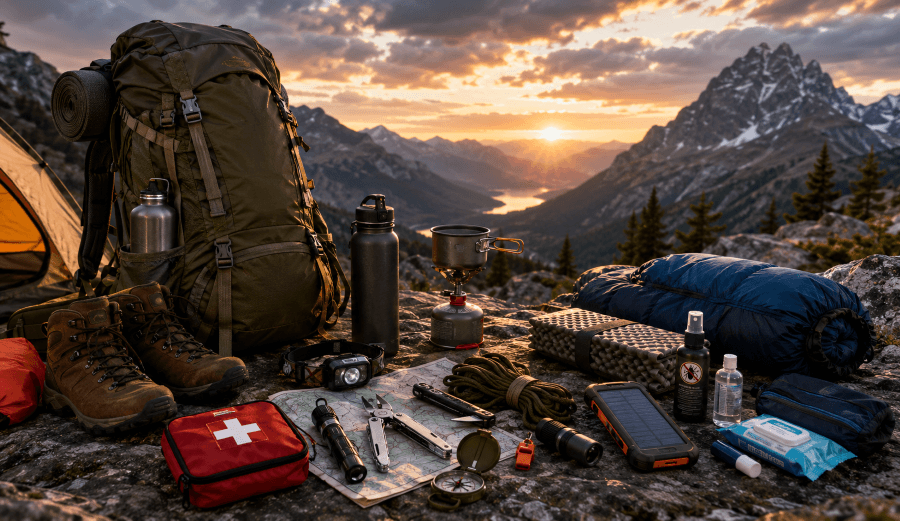
Outdoor and adventure travel is exciting, unpredictable, and deeply rewarding—but only when you’re properly prepared. Whether you’re hiking through rugged mountains, camping under the stars, exploring coastal trails, or heading into remote wilderness, the gear you carry can make the difference between a smooth journey and a stressful experience.
At Gear for the Journey, we believe preparation is the foundation of every great adventure. The right equipment doesn’t just add comfort—it ensures safety, efficiency, and confidence wherever you go.
This blog breaks down exactly what travel gear you really need for outdoor and adventure trips, so you can pack smart, stay safe, and enjoy every moment of the journey.
Why Choosing the Right Adventure Gear Matters
Adventure travel is not like city travel. You won’t always have access to shops, clean water, electricity, or shelter. Conditions can change quickly—sunny mornings can turn into cold, rainy nights in minutes.
That’s why choosing the right adventure travel gear is essential. Good gear helps you:
- Stay safe in unpredictable conditions
- Carry essentials efficiently without overpacking
- Adapt to changing environments
- Reduce physical strain on long treks
- Handle emergencies confidently
When your gear is well-planned, your focus shifts from “What if something goes wrong?” to “What’s next on the trail?”
- The Core Backpack: Your Mobile Base
Every adventure starts with the right backpack. Think of it as your portable home.
A high-quality backpack should include:
- Ergonomic shoulder straps for weight distribution
- Water-resistant or waterproof material
- Multiple compartments for organization
- Adjustable hip belt for long hikes
- Breathable back panel for comfort
For outdoor trips, a 30L–70L capacity backpack is usually ideal depending on trip duration.
At Gear for the Journey, we always recommend choosing a backpack that balances durability with lightweight construction. The wrong bag can cause fatigue, while the right one can transform your entire travel experience.
- Clothing Layers: Your First Line of Protection
Weather in the outdoors is unpredictable. That’s why layering is key.
You should always pack:
- Base layer (moisture-wicking fabric)
- Insulating layer (fleece or down jacket)
- Outer shell (windproof and waterproof jacket)
Quick-dry pants, thermal socks, and breathable shirts are also essential.
One of the most overlooked aspects of adventure travel gear is clothing adaptability. You should be able to add or remove layers quickly depending on temperature and weather changes.
A simple rule:
Never rely on just one type of clothing for outdoor trips.
- Navigation Tools: Never Lose Your Way
Even if you rely on GPS, outdoor environments can be unpredictable. Battery drain, weak signals, or device damage can leave you stranded.
Essential navigation tools include:
- Physical map of the area
- Compass
- GPS device or smartwatch
- Offline maps on your phone
Experienced travelers always carry analog backup tools. In remote areas, these basics can be life-saving.
Good navigation is not optional—it’s a core part of responsible travel.
- Hydration and Water Filtration
Water is your most critical resource during any outdoor adventure.
You should carry:
- Reusable water bottles or hydration packs
- Portable water filter or purifier
- Water purification tablets (for emergencies)
Never assume water will be available on the trail. Even streams or lakes may not be safe without proper filtration.
A well-prepared outdoor survival kit always includes reliable water purification tools because dehydration can quickly become dangerous during physical activity.
- The Outdoor Survival Kit: Your Safety Net
If there is one item every adventurer must prioritize, it is the outdoor survival kit.
A complete survival kit typically includes:
- First aid supplies (bandages, antiseptics, pain relief)
- Emergency blanket
- Multi-tool or knife
- Fire starters (matches, ferro rod, lighter)
- Whistle for emergency signaling
- Rope or paracord
- Flashlight or headlamp
The goal is simple: be prepared for unexpected situations.
At Gear for the Journey, we always emphasize that a well-built outdoor survival kit is not just for emergencies—it is peace of mind you carry in your backpack every step of the way.
- Lighting Equipment: Visibility Saves Lives
When darkness falls outdoors, visibility becomes critical.
Must-have lighting gear includes:
- Headlamp (hands-free operation)
- LED flashlight
- Backup batteries or power bank
- Lantern for camping areas
Headlamps are especially useful for hiking at night, cooking at camp, or navigating trails after sunset.
A reliable lighting system is one of the most underrated components of adventure travel gear, but it often becomes the most important when conditions change unexpectedly.
- Shelter and Sleeping Gear
If your trip includes overnight stays, proper shelter equipment is non-negotiable.
Key items include:
- Lightweight tent or bivy shelter
- Sleeping bag (temperature-rated)
- Sleeping pad for insulation
- Rainfly or tarp for extra protection
Comfort at night directly affects your energy the next day. A poor sleeping setup can ruin even the most beautiful adventure.
Always choose gear that matches your destination’s climate and terrain.
- Food and Cooking Essentials
Energy management is crucial in outdoor environments.
Carry:
- Lightweight stove or portable burner
- Fuel canisters
- Collapsible cooking pot
- Ready-to-eat meals or dehydrated food
- Energy bars and snacks
Efficient cooking systems help reduce weight while still ensuring you stay energized.
Hydration and nutrition go hand-in-hand during adventure travel, especially on multi-day trips.
- Safety and Emergency Tools
No matter how experienced you are, safety gear should always be part of your kit.
Essential items include:
- Whistle
- Mirror for signaling
- Emergency blanket
- Multi-purpose knife
- First aid kit
- Waterproof matches
These tools don’t take up much space but can make a huge difference in emergencies.
A complete outdoor survival kit always prioritizes redundancy—meaning backup options for critical functions like fire, light, and signaling.
- Tech Gear and Power Management
Modern travel often includes digital devices. Keeping them powered is important.
Carry:
- Power bank (high capacity)
- Solar charger (for long trips)
- Charging cables
- Waterproof phone case
Even if you prefer disconnecting, your phone can be a vital safety tool for maps, communication, and emergencies.
- Personal Hygiene and Comfort Items
Small comforts matter more than you think during long trips.
Pack:
- Wet wipes
- Hand sanitizer
- Travel towel
- Toothbrush and toothpaste
- Sunscreen and lip balm
- Bug repellent
These items help maintain hygiene and comfort, especially in remote or dusty environments.
- Smart Packing Strategy
Even the best gear is useless if packed poorly. Smart packing ensures efficiency and accessibility.
Here are simple rules:
- Keep frequently used items on top or side pockets
- Balance weight evenly in your backpack
- Use dry bags for electronics and clothing
- Avoid overpacking unnecessary items
At Gear for the Journey, we always encourage travelers to pack intentionally rather than excessively.
Smart packing is one of the most important aspects of effective adventure travel gear usage.
- Common Mistakes to Avoid
Many travelers make avoidable mistakes when preparing for outdoor trips:
- Overpacking heavy or unnecessary items
- Ignoring weather conditions
- Not testing gear before the trip
- Forgetting backup power sources
- Carrying insufficient water or food
Avoiding these mistakes can significantly improve your overall travel experience.
- How to Build Your Ideal Adventure Kit
Every traveler is different. Your gear should reflect:
- Trip duration
- Terrain type
- Weather conditions
- Personal fitness level
- Level of experience
Begin with the essentials and gradually upgrade your kit as you gain experience.
A well-balanced adventure travel gear setup evolves over time—it is never one-size-fits-all.
Travel Prepared, Travel Confident
Outdoor and adventure trips are about freedom, exploration, and connection with nature. But that freedom comes with responsibility—especially when it comes to preparation.
The right gear ensures that you are ready for anything the journey brings, from sudden weather changes to unexpected challenges on the trail.
At Gear for the Journey, we design and curate equipment that helps travelers move confidently into the unknown. Whether you’re building your first kit or upgrading your existing setup, focus on reliability, versatility, and safety.
And remember: your outdoor survival kit is not just equipment—it is your safety companion in the wild.
Pack smart, travel light, and explore boldly.